What IP Lookup Shows and Why an IP Address Alone Is Not Enough
IP Lookup can reveal more than your public IP. Learn which network and browser parameters websites may see and why changing your IP alone is not enough.
- 1.Whoer IP Lookup and the Answer to “What Is My IP?”
- 2.IP Lookup vs. Your Full Browser Fingerprint
- 3.How to Find IP Address Details That Actually Matter
- 4.Why My IP Address Is Just the Beginning
Most people start exploring online privacy with a simple question: “What is my IP address?” You open an IP Lookup service, see a line labeled My IP, and assume that this address is the main information websites receive about your connection.
Another common question is what IP Facebook, Google, marketplaces, and other platforms actually see — and whether simply changing it with a VPN or Proxy is enough.
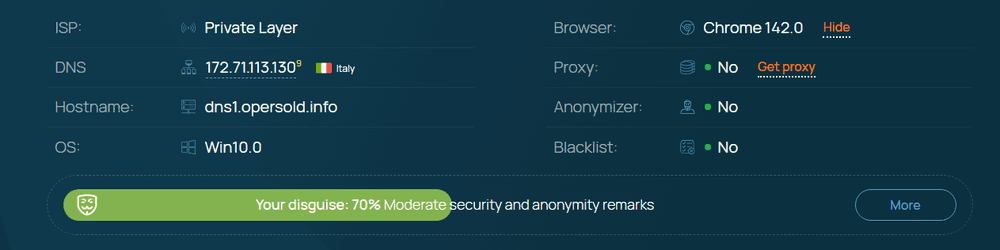
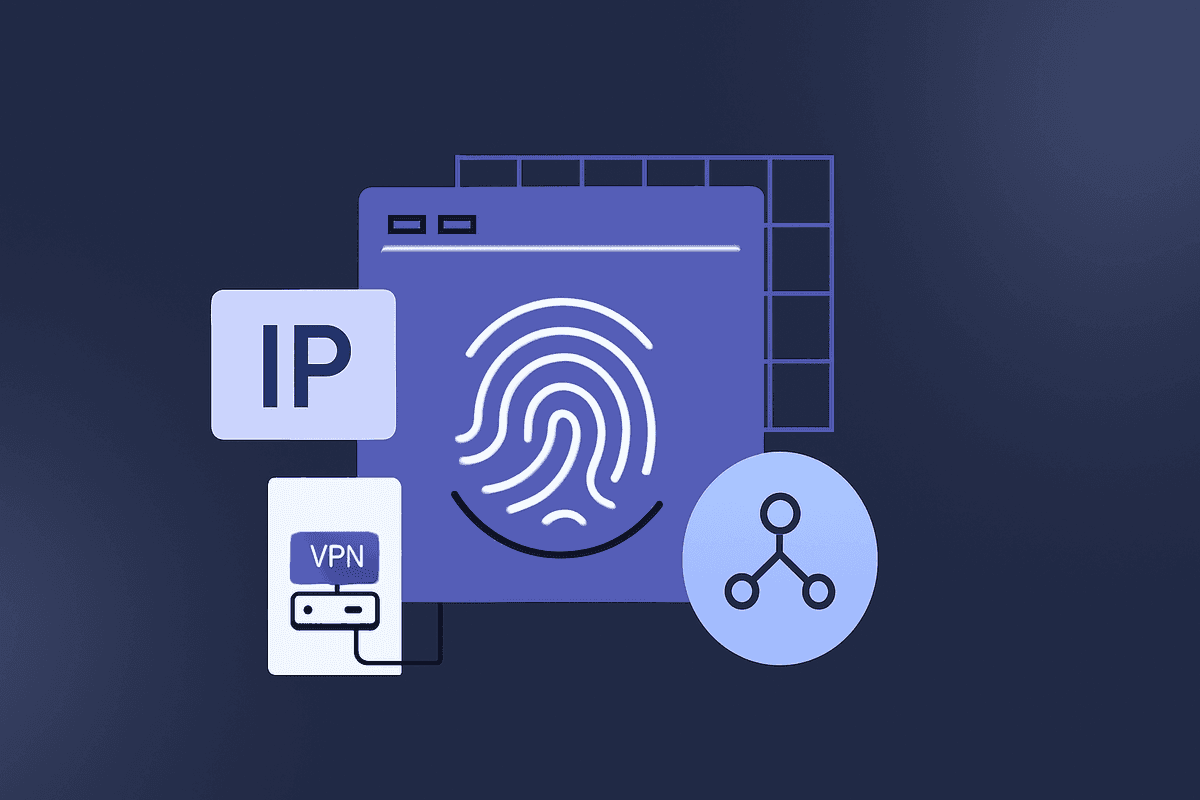
In practice, My IP Address is only part of the picture. A service like Whoer.net can show not only your public IP but also other connection and browser environment parameters, including Timezone, language, DNS, WebRTC, system information, and some Browser Fingerprint signals.
For users of antidetect browsers such as WadeX, this distinction is especially important. When working with multiple accounts, advertising platforms, or e-commerce, it is not enough to check whether your IP changed after connecting through a Proxy. You also need to understand how consistent the entire browser profile looks from the website’s perspective.
Whoer IP Lookup and the Answer to “What Is My IP?”
At first glance, Whoer looks like a standard IP Lookup service. You open the page and immediately see your public IP address and the country associated with it.
However, IP Lookup can reveal much more than that.
Depending on the available checks, you may see:
- IP version;
- estimated city or region;
- ISP;
- connection type;
- possible VPN, Proxy, or Hosting IP detection;
- Timezone;
- browser language;
- DNS servers;
- possible WebRTC Leaks;
- operating system;
- browser version;
- some Browser Fingerprint parameters.
For an everyday user, this may simply be additional technical information. But when working with multiple accounts, these parameters help show what characteristics of a browser session may be available to a website in addition to the public IP.
IP Lookup vs. Your Full Browser Fingerprint
A VPN or Proxy solves a specific problem: it changes the network route and the public IP visible to the destination website. A VPN additionally creates an encrypted tunnel between your device and the VPN server.
However, changing the IP does not mean that the rest of the browser environment changes automatically.
Imagine a configuration where the IP points to Germany, while the device Timezone corresponds to another part of the world, the browser language is Russian, DNS uses unexpected infrastructure for that connection, and WebRTC exposes additional network information.
The VPN may be working correctly, but the overall configuration can still look inconsistent.
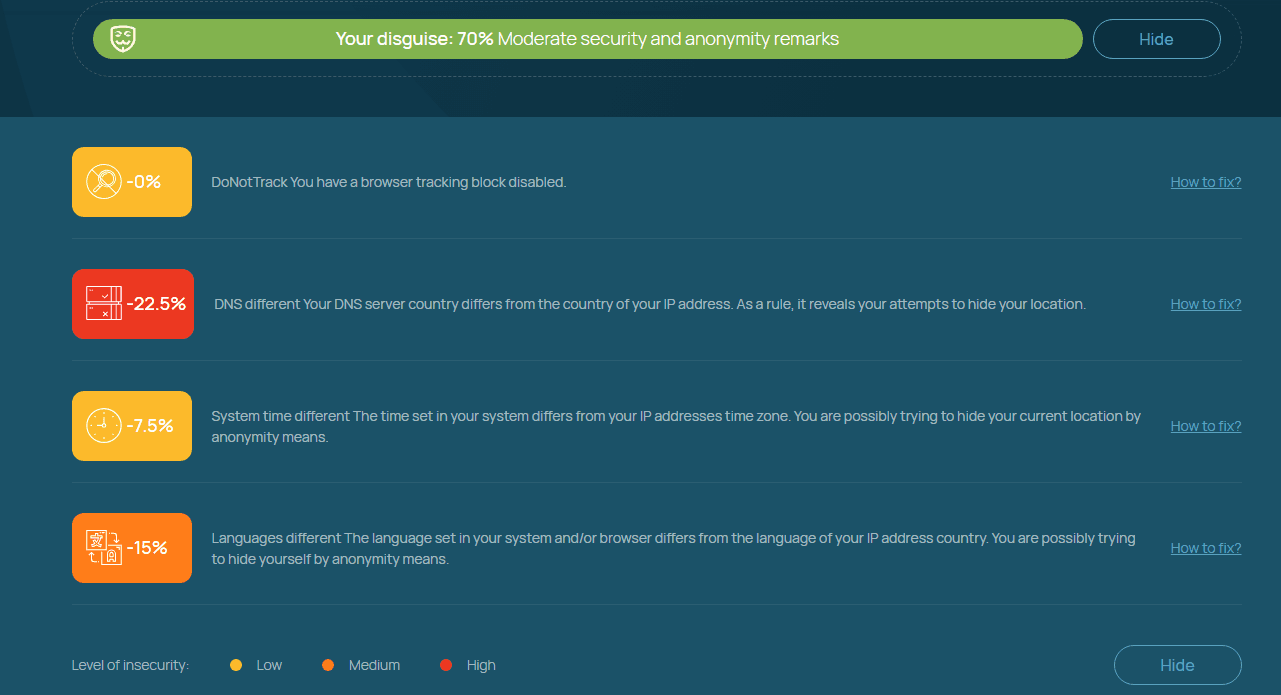
Websites and anti-fraud systems may analyze not only whether a VPN or Proxy is being used, but also how different signals relate to each other.
These signals can include:
- IP Geolocation;
- Timezone;
- language;
- DNS;
- operating system;
- browser version;
- Fonts;
- screen parameters;
- graphics characteristics;
- other Browser Fingerprint signals.
That is why the basic “IP Lookup + VPN” approach shows only part of the picture. If you change the IP while keeping all other browser characteristics unchanged, the rest of the environment can still provide stable identification signals.
How to Find IP Address Details That Actually Matter
The important question is not only how to find your IP address, but also what additional connection and browser parameters are visible to websites.
Whoer.net is useful because it allows you to check several characteristics in one place.
For example, you can verify:
- whether the IP country matches the expected location;
- which DNS servers are being used;
- whether WebRTC exposes additional network information;
- whether the Timezone matches the selected region;
- which language and system parameters are visible to the website.
For users of antidetect browsers, this turns an IP Lookup service into a useful diagnostic tool.
Instead of asking only “Did my IP change?”, you can check a broader set of browser profile parameters and identify obvious inconsistencies between the network and browser environments.
| Parameter | What It Shows | Why It Matters |
|---|---|---|
| Public IP | IP address visible to the website | Shows the current network connection |
| IP Geolocation | Country and approximate region | Helps verify the expected network location |
| DNS | DNS servers being used | Can reveal characteristics of the network configuration |
| WebRTC | Additional network information | Helps identify possible WebRTC Leaks |
| Timezone | Browser or system timezone | Can be compared with IP Geolocation |
| Browser Fingerprint | Browser and device characteristics | Adds browser-level signals beyond the public IP |
In this setup, a VPN or Proxy is only one part of the configuration. The consistency of the rest of the browser profile matters as well.
Why My IP Address Is Just the Beginning
Services like Whoer make it easy to answer the basic question “What is my IP?”, but when working with multiple browser profiles, checking the public IP alone is not enough.
A public IP address is only one of many signals a website may receive.
A VPN or Proxy can change the network connection, but it does not automatically change the entire Browser Fingerprint or provide complete anonymity.
When working with WadeX or another antidetect browser, it is useful to consider three main elements:
- a suitable IP and stable network connection;
- a separate browser environment with consistent parameters;
- a diagnostic service such as Whoer to check what information is visible to websites.
Regularly checking IP, DNS, WebRTC, Timezone, and other parameters can help identify configuration inconsistencies before using a browser profile.
In other words, IP Lookup is not only a way to find your IP address — it is also a starting point for understanding how your network and browser environment appear to a website.